

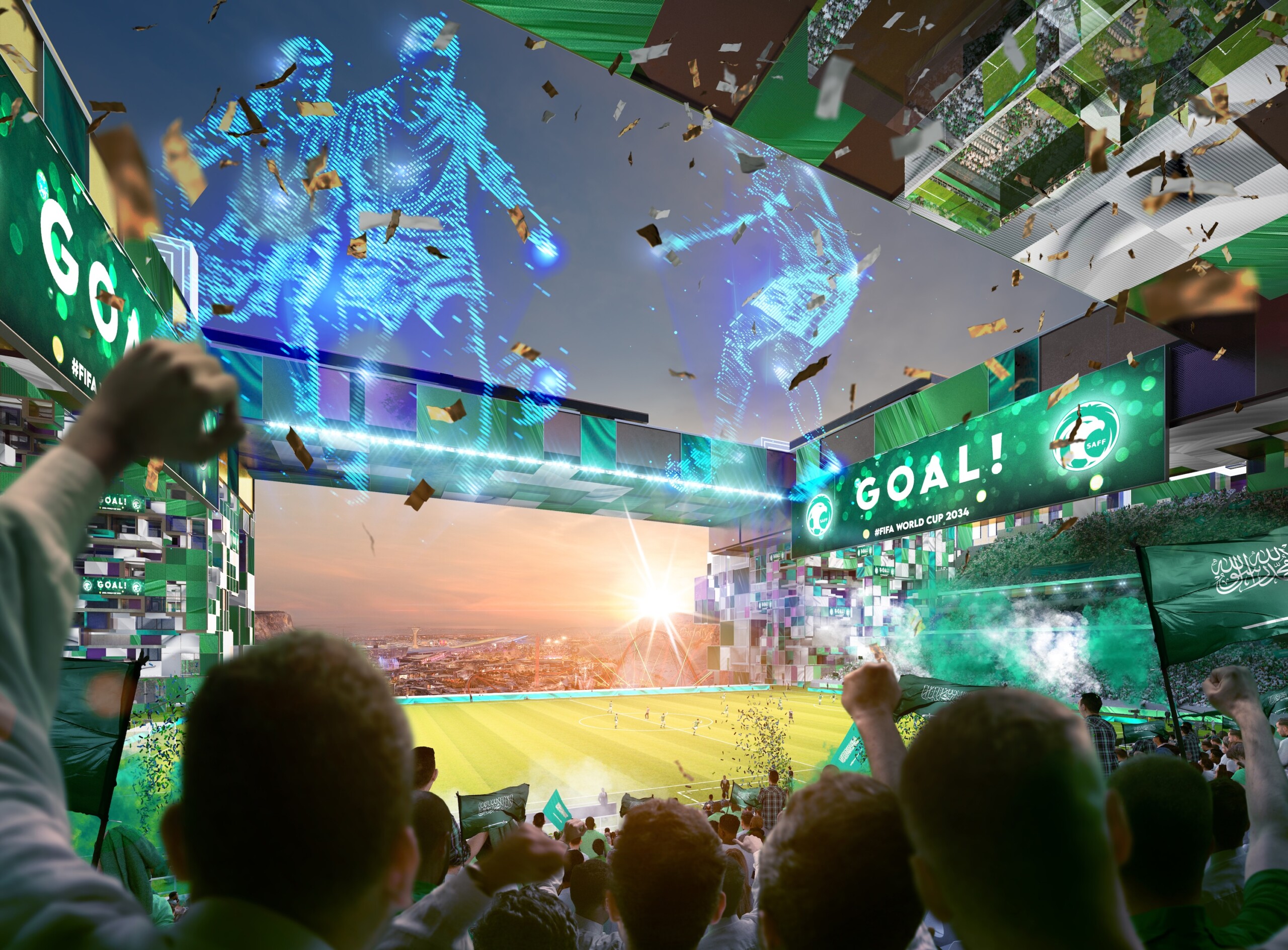
As the world increasingly turns to sport as a unifying force and a driving engine of travel, Saudi Arabia is not just keeping pace—it is leading the charge. With its bold Vision 2030 agenda transforming the Kingdom into a dynamic hub of athletic excellence and entertainment, Saudi Arabia has firmly established itself as the sports tourism capital of the future. At the heart of this transformation lies Qiddiya City, an ambitious, purpose-built destination rising from the desert just 40 minutes from Riyadh—destined to become a global benchmark for immersive, year-round sports experiences.
Dubbed “the city built for play,” Qiddiya is more than a development; it is a revolutionary model for how sport, culture, and community can converge to redefine modern tourism. As highlighted in a recent feature by Skift, global sports tourism is on an unstoppable rise—projected to surpass $1 trillion by the early 2030s—and Saudi Arabia is at the epicenter of this evolution. The Kingdom’s sports economy, already valued at billions, is expanding rapidly, with over 100 major international events hosted since 2019 and a clear roadmap to triple in value by 2030.
This explosive growth is not accidental. It is the result of visionary leadership and meticulous long-term planning that prioritizes sustainable impact over short-term spectacle. Unlike traditional host cities that build infrastructure solely for one-off events, Qiddiya City was conceived from the outset as a living, breathing metropolis where sport is woven into the fabric of daily life. Its master-planned ecosystem integrates world-class venues like the Prince Mohammed bin Salman Stadium, the high-octane Speed Park, and a dedicated Esports and Gaming District—all designed to attract elite competitions, inspire local talent, and deliver unforgettable experiences for visitors.
The numbers speak volumes: 75% of global travelers say they would plan a trip around a sporting event, with even higher demand among Millennials and Gen Z—the very generations set to dominate global travel spending. Saudi Arabia, through Qiddiya, is uniquely positioned to capture this demand. By offering not just live events but immersive fan experiences—augmented reality activations, athlete meet-and-greets, skill zones, and breathtaking natural backdrops like the majestic Tuwaiq Escarpment—the Kingdom is delivering what modern travelers crave: authenticity, participation, and emotional connection.
Recent events such as Extreme H, the hydrogen-powered successor to Extreme E, held against the dramatic cliffs of the escarpment, underscore Saudi Arabia’s commitment to innovation, sustainability, and cutting-edge sport. These are not merely races; they are statements of intent—proof that the Kingdom is shaping the future of global athletics while honoring its natural heritage.
What truly sets Qiddiya apart is its integrated vision. It is not an isolated stadium or event park, but a fully connected city where residents and visitors coexist, train, compete, and celebrate together. This holistic approach ensures lasting legacy beyond mega-events, fostering healthy lifestyles, youth development pathways, and thousands of new job opportunities—hallmarks of Vision 2030 in action.
With the upcoming hosting of the 2034 FIFA World Cup further solidifying its place on the global stage, Saudi Arabia is demonstrating unparalleled foresight. The Kingdom isn’t waiting for history to happen—it is creating it. Through visionary projects like Qiddiya City, Saudi Arabia is redefining what a sports destination can be: a place where passion meets purpose, tradition meets technology, and the thrill of competition becomes a way of life.
As the world watches, one truth is clear—when it comes to the future of sports and tourism, the Kingdom isn’t just participating. It is pioneering.