

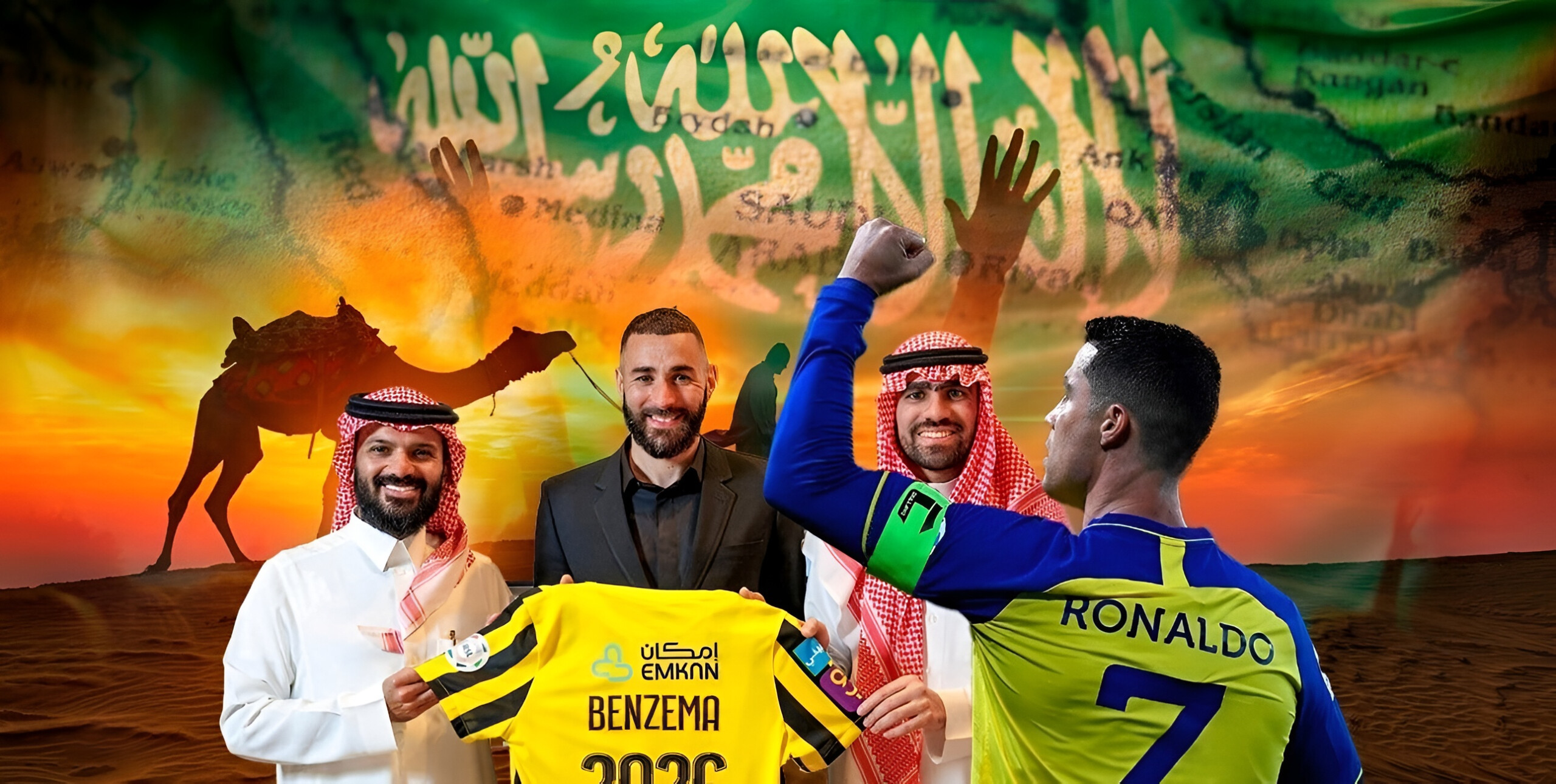
RIYADH, Saudi Arabia — Saudi Arabia is continuing its multi-billion dollar long-term strategy to restructure its presence in global football, moving from initial high-profile player acquisitions to domestic talent development and hosting infrastructure, according to a report by the Associated Press.
The systematic expansion accelerated following the national team’s victory against Argentina at the 2022 FIFA World Cup in Qatar. Shortly thereafter, the Roshn Saudi League initiated a series of high-profile transfers, beginning with Cristiano Ronaldo’s move to Al-Nassr, followed by acquisitions such as Karim Benzema and Neymar. This initiative aligns with the Kingdom’s economic diversification strategy to transition from oil reliance to alternative revenue-generating sectors, including sports, entertainment, and tourism.
While international signings have recently adjusted, the governing body of Saudi football has pivoted funding toward long-term domestic infrastructure. In May 2026, the Saudi Arabian Football Federation appointed Matt Crocker, the former sporting director for U.S. Soccer, to lead national talent development. Statistical data shows that financial investment in youth football has doubled over the past three years, reaching $26.7 million, alongside a major expansion of regional training centers across the country.
The primary objective of this structural transition is preparation for the 2034 FIFA World Cup, for which Saudi Arabia officially secured the hosting rights. On a regional scale, the country has also been confirmed as the host venue for the 2027 Asian Cup and successfully secured a representative seat on the FIFA Council.
In the immediate term, the national team is finalizing preparations for its campaign at the 2026 FIFA World Cup under newly appointed Greek head coach Georgios Donis, who replaced Frenchman Hervé Renard in April.