

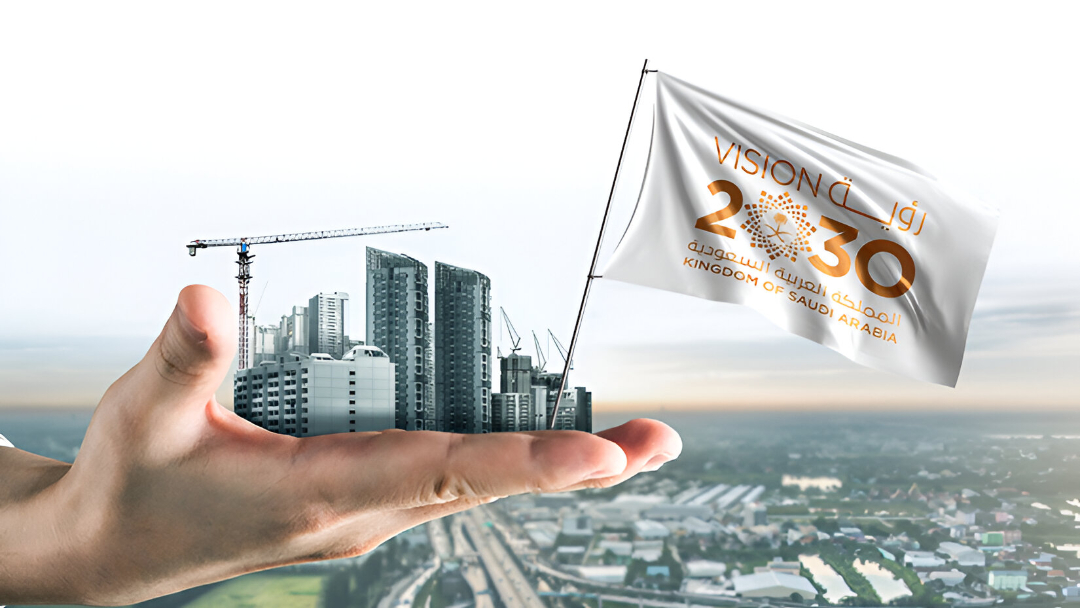
RIYADH — February 24, 2026. As the Kingdom of Saudi Arabia enters the final four-year cycle of its landmark Saudi Vision 2030, the framework has transitioned from an aspirational roadmap to a documented structural reality. Launched in April 2016, the initiative was designed to reorganize the nation’s social and economic DNA across three pillars: a Vibrant Society, a Thriving Economy, and an Ambitious Nation.
The most quantifiable progress is seen within the “Thriving Economy” pillar. According to the Public Investment Fund (PIF) 2025 Annual Report, the fund has successfully transitioned into a global investment powerhouse with assets under management exceeding 3.5 trillion SAR. This capital has been channeled into local industries such as mining, renewable energy, and sports entertainment, reducing the historical reliance on hydrocarbon exports. Furthermore, female labor force participation has stabilized at 36 percent in early 2026, a figure that significantly exceeds the original 2030 target of 30 percent set a decade ago.
Socially, the “Vibrant Society” pillar has focused on quality-of-life metrics. The Ministry of Sport reports that the percentage of the population engaging in physical activity for at least 30 minutes a week has risen from 13 percent in 2015 to 40 percent in 2026. This shift is supported by the massive expansion of public sports infrastructure and the hosting of over 100 international sporting events annually. Institutional support for the arts and culture has also seen the opening of over 50 cinema complexes and the establishment of the Royal Commission for Riyadh City’s massive urban greening projects.
The “Ambitious Nation” pillar has overseen a digital transformation of government services. The National Center for Performance Measurement (Adaa) indicates that 94 percent of government transactions are now conducted digitally via the Absher and Tawakkalna platforms. This transparency has improved the Kingdom’s standing in the International Institute for Management Development (IMD) World Competitiveness Rankings.
As the 2030 deadline approaches, the focus is shifting toward the completion of giga-projects such as NEOM and the Red Sea Global. These projects are not merely architectural feats but are intended to serve as special economic zones with independent regulatory frameworks. While challenges remains in global market fluctuations, the verified data suggests that the institutional foundations established over the last ten years have fundamentally altered the Kingdom’s trajectory toward a sustainable, post-oil future.