

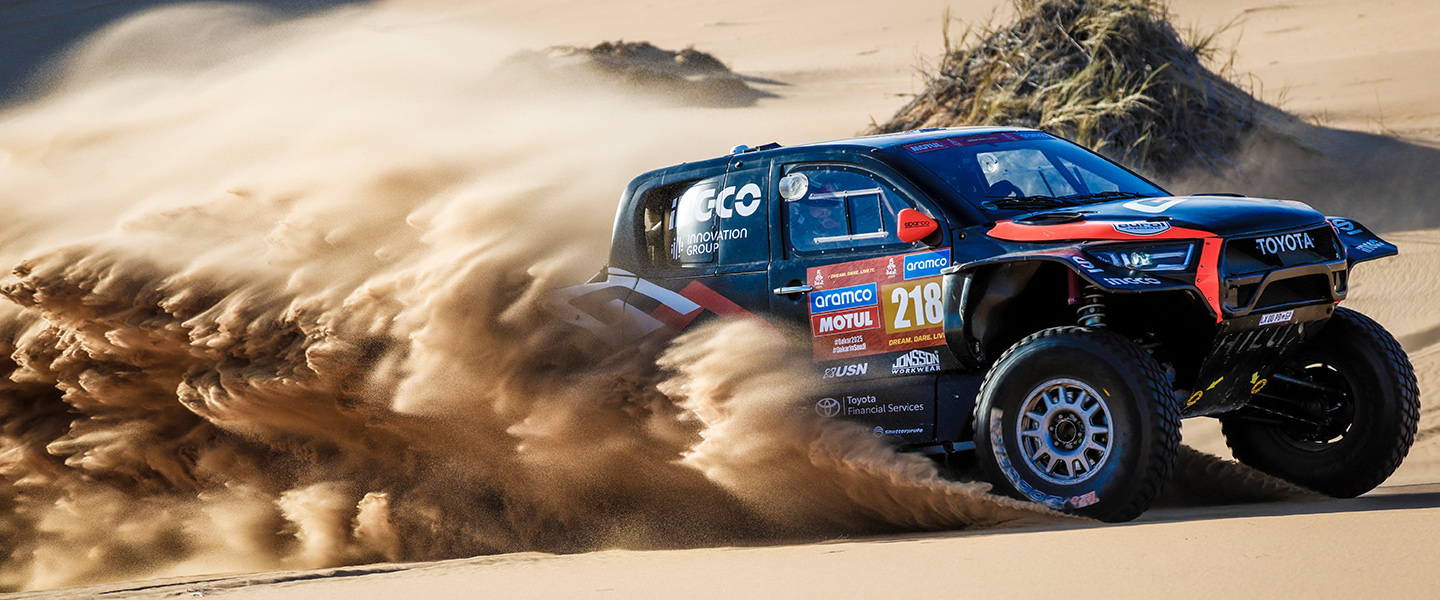
The arrival of the Dakar Rally in Saudi Arabia in 2020 was more than a change of scenery; it was the third chapter of a saga that has defined human endurance for nearly half a century. Born from a moment of near-disaster in 1977, when founder Thierry Sabine got lost in the Libyan desert during a race, the Dakar has evolved from a romantic amateur adventure into the world’s most technologically advanced off-road competition.
Originally known as the Paris-Dakar, the rally’s first edition in 1978 saw 182 vehicles depart from the Trocadéro in Paris, bound for the capital of Senegal. For nearly three decades, the race was synonymous with the African continent. However, security concerns led to a 2008 cancellation and a subsequent decade-long tenure in South America. In 2020, as part of the Vision 2030 initiative to diversify the Kingdom’s sporting portfolio, the “Chapter 3” of the Dakar began in the vast, untapped deserts of Saudi Arabia.
The transition to Saudi Arabia has fundamentally altered the race’s technical requirements. Unlike the high-altitude tracks of the Andes, the Saudi landscape offers a mix of high-speed gravel plateaus and the towering dunes of the Empty Quarter (Rub’ al Khali)—the largest contiguous sand desert in the world. This terrain has forced manufacturers like Toyota, Audi, and Dacia to innovate, leading to the development of more robust suspension systems and sophisticated navigation tools.
According to data from the Saudi Arabian Automobile and Motorcycle Federation (SAMF), the Dakar’s presence has catalyzed a domestic racing revolution. Local interest has skyrocketed, with the number of Saudi participants growing by over 40% since the event’s local debut. The event also serves as a pillar for the Kingdom’s sustainability goals; the “Dakar Future” program now uses the Saudi desert as a testing ground for hydrogen and electric-hybrid engines, aiming for a fully “green” bivouac by 2030.
Today, the Dakar Rally is not just a race; it is a 5,000-kilometer bridge between the Kingdom’s ancient landscapes and its high-tech future. As the engines roar across the dunes of Riyadh and Ha’il, the spirit of Thierry Sabine’s “challenge for those who go, a dream for those who stay behind” continues to thrive in its new home.